


Foreword: Recently, BASF, the global chemical giant, has delivered the **first large scale application** of PROFINET and Ethernet-APL technologies, marking the official start of the transition from traditional fieldbuses to a **single seamless network** in process automation.
It has been five years since Ethernet APL was officially released in 2021. The petrochemical project at BASF’s Zhanjiang Verbund Site has adopted **Ethernet APL on a full scale** for the first time, realizing end-to-end control from Ethernet-APL switches down to field devices over one unified network. This greatly improves data transmission efficiency and timeliness, and simplifies operation and maintenance. As a landmark project, it is expected to accelerate the adoption of such technologies in similar domestic projects.
On May 14, **Empowering the Future of Petrochemicals: Ethernet-APL Technology Innovation and Application Summit** was successfully held in Zhanjiang, hosted by Phoenix Contact (China) Investment Co., Ltd. and organized by Shanghai Shengshi Tianxi Electric Co., Ltd. The summit conducted in depth discussions on technical routes, system operation and maintenance, safety compliance, and digital upgrading.
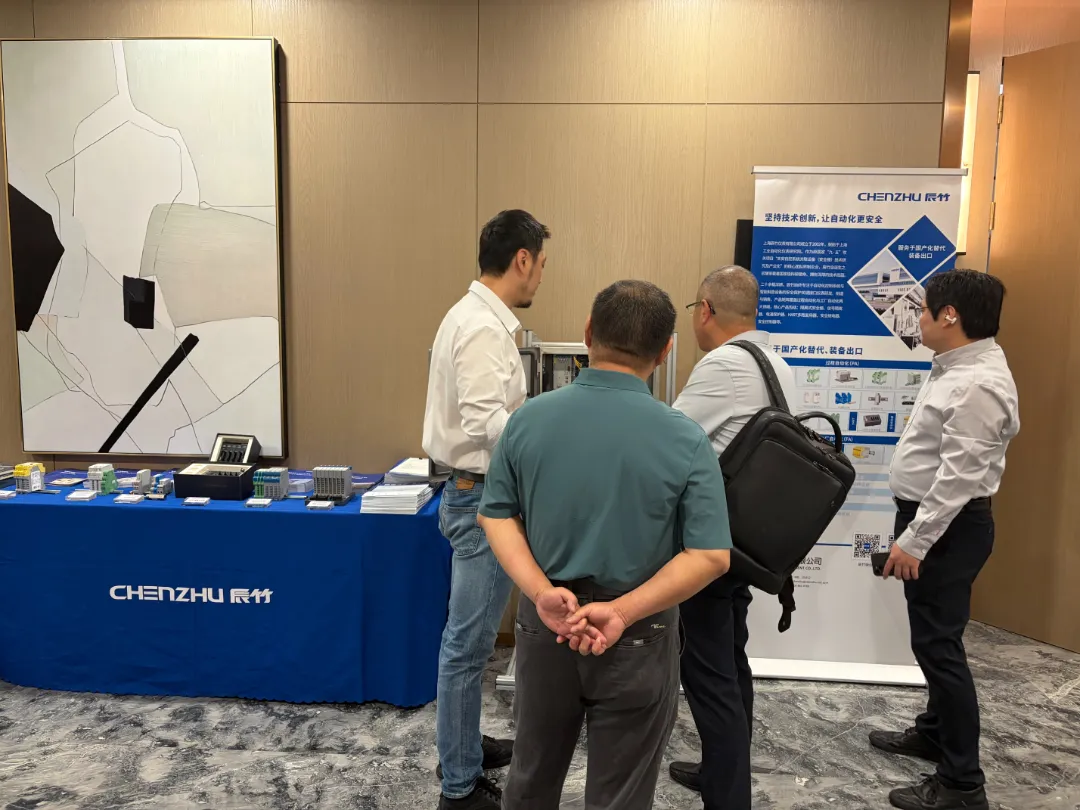
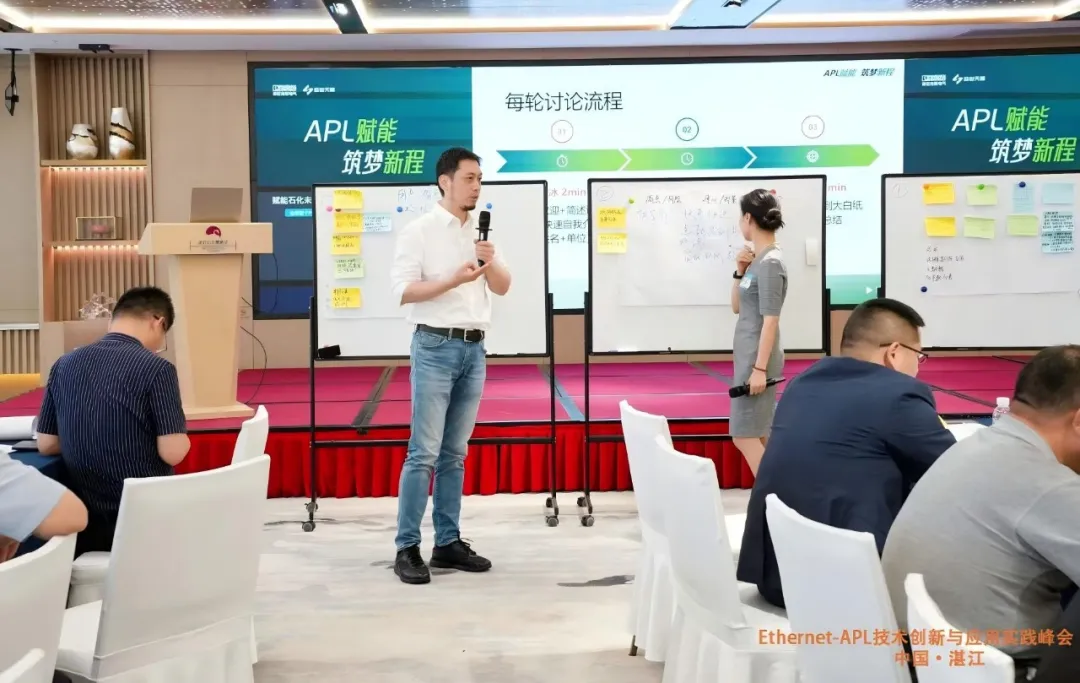
Shanghai Chenzhu Instrument Co., Ltd. was invited to attend the summit with its core PA products including safety barriers and **SPE/APL explosion-proof solutions**.
SPE/APL: Definition & Key Technical Features
What is SPE?
1. **Single Pair Ethernet** is an industrial Ethernet communication technology that transmits both **data and power** over a single twisted-pair cable.
2. Defined by IEEE 802.3 standards (e.g., 10BASE-T1L/S, 100BASE-T1, 1000BASE-T1), it supports speeds from **10 Mbps to 1 Gbps** and reaches up to **1,000 meters**, while powering end devices via PoDL.
3. It greatly simplifies cabling, cuts costs, and reduces equipment size. As key infrastructure for seamless, efficient connections from industrial sensors to the cloud, SPE is widely used in IIoT, factory automation, process control, building automation, automotive networks, and more.
What is APL?
1. **APL (Advanced Physical Layer)** is an Ethernet based physical layer technology that delivers **10 Mbps** bandwidth over two core cables for high speed communication.
2. It supports **intrinsically safe power** and allows spur cable runs up to **200 meters**, making it ideal for explosive hazardous areas such as petrochemical plants.
Position in the ISO Model
1. APL resides at the **Physical Layer** and serves as underlying infrastructure; it does not replace upper layer protocols.
2. Upper layers rely on protocols such as **PROFINET, Ethernet/IP, OPC UA** to form a complete communication solution.
Clear Advantages Over Traditional Technologies
**vs. HART**: Far stronger digital capabilities, exceeding its limited data bandwidth.
**vs. Profibus, FF, and other fieldbuses**: Lower engineering effort, higher openness, better scalability, and freedom from vendor lock-in.
Technical Integration Architecture & Digital Potential
APL: The “Data Highway” Platform
1. APL provides high-speed, intrinsically safe physical connections, unleashing the full potential of upper-layer technologies (PROFINET, FDI, OPC UA).
2. Comparable to a “5G network,” it drastically improves device interaction efficiency.
Unified Technical Roadmap
1. With **10 Mbps** high bandwidth, APL is compatible with all types of new AL instruments and major communication protocols, enabling cross brand interoperability.
2. Based on the APL architecture, existing equipment data is fully utilized. Data from legacy and new devices can be integrated on a unified platform to enable advanced AI applications.
Breakthroughs Enabled by Open Architecture
1. The **APL + OPC UA** architecture allows upper level systems (such as AMS) to **directly access field device data** without going through the DCS controller.
2. This avoids overloading the DCS and enables more efficient asset management and data analysis.
Application Benefits & Future Outlook
Significant Improvements in Engineering & O&M Efficiency
1. **Configuration & Backup**: Backup of traditional HART instruments takes minutes; APL takes only seconds. It solves delays in viewing and handling fault information.
2. **Simplified Maintenance**: With standard device descriptions, replacing like for like devices requires no reconfiguration, greatly improving usability.
3.** Enhanced Diagnostics**: Faults are classified inside devices, and status data is directly visible in the AMS to support fast decisions.
Scalable Potential of a Unified Architecture
1. Applicable not only to instruments but also to motors, drives, and other equipment. Multi parameter instruments will become key to cost reduction and efficiency improvement.
2. Future safety systems can adopt the same architecture, enabling unified management of plant wide devices and drastically boosting maintenance efficiency.
APL Solution: Strengths & Challenges
Strengths For greenfield projects (e.g., Zhanjiang Phase I) directly using **APL + PROFINET**:
Construction phase: Investment is comparable to conventional solutions with no extra cost.
Operation phase: Sustained reduction in operational and management costs. - **Full utilization of instrument data value**.
Challenges (Requiring Industry Collaboration)
High integration requirements: Must coexist with legacy PROFINET and bus instruments. While traditional fieldbuses remain stable, APL has become a future-proof trend for large new projects and deep digital retrofits.
Skill transformation: Direct data reading into AMS/DCS reduces on site checks, but instrument staff must shift from hardware maintenance to data analysis.
Intelligent decision-making relies on experience: Dynamic parameters are closely tied to processes; effective predictive maintenance requires combining data intelligence and domain expertise. AI cannot fully replace human experience today.
Standards and ecosystem to mature: New solutions encounter field unknowns requiring continuous practical optimization. Relevant regulations and standards must accelerate to keep pace.
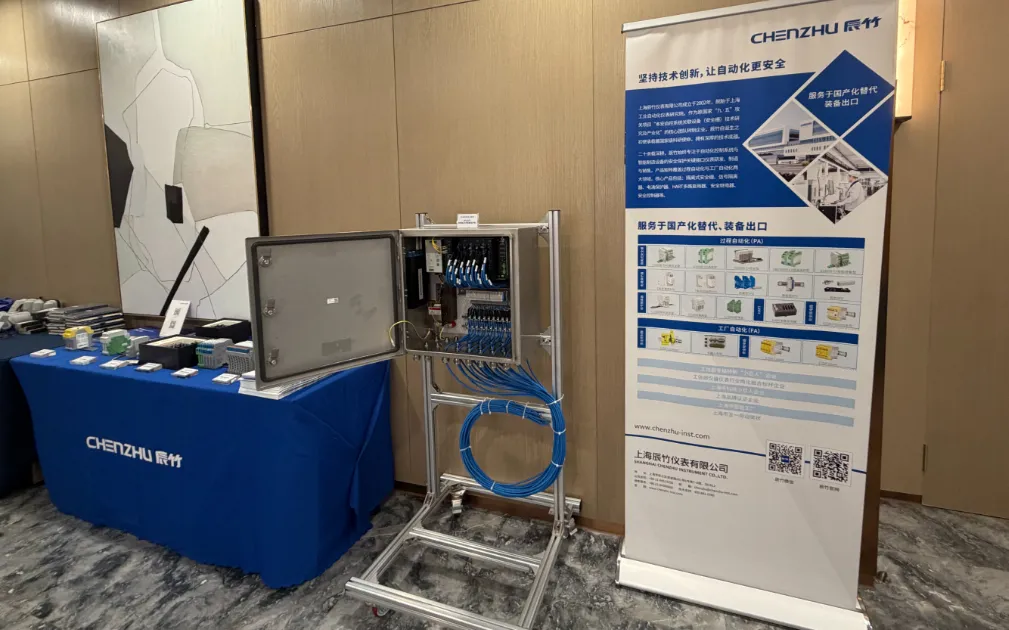
Chenzhu’s **SPE/APL Industrial Explosion-Proof Solution** is now in engineering verification. We welcome partners to jointly build a safe “one network to the end” ecosystem.